
ModernHeadlessArchitectureforBotreeSoftware
Transforming an enterprise SaaS platform with a high-performance Next.js frontend while retaining the familiar WordPress authoring experience.
Visit Live Platform
Addressing Technical Debt & Legacy Bottlenecks
Botree Software is a premier SaaS platform powering Route-to-Market (RTM) operations, distribution logistics, and sales analytics for enterprise brands. As their product suite expanded, their legacy monolithic WordPress website struggled under the weight of heavy plugins, excessive script overhead, and high maintenance demands.
Sluggish Load Times
The legacy WordPress setup suffered from heavy page builders, plugin bloat, and unoptimized server-side rendering, leading to noticeable latency and bounce-rate risks.
Maintenance & Fragility
Frequent plugin updates caused compatibility issues, UI regressions, and security overhead that pulled developers away from core initiatives.
Editorial Friction
While the client needed modern web performance, the internal marketing team was deeply accustomed to the WordPress editorial workflow and did not want to adapt to an unfamiliar new CMS.
Enterprise Credibility
As an AI-powered SaaS brand serving top FMCG and retail giants, having a slow, clunky corporate website directly conflicted with their modern technological identity.
Decoupled Architecture & Performance Precision
MeePixel engineered a decoupled, headless solution. We replaced the traditional WordPress theme layer with a bespoke, lightning-fast Next.js frontend while preserving WordPress purely as an intuitive headless CMS for their content marketing team. The result: sub-second page loads, near-instant user navigation, and a steady 90+ Google Core Web Vitals performance profile.
Decoupled Architecture with Next.js
We separated the presentation layer from the content repository. The frontend was built from the ground up using Next.js, utilizing Static Site Generation (SSG) and Incremental Static Regeneration (ISR) to pre-render marketing pages ahead of time.
Headless WordPress as the Backend CMS
Rather than forcing a disruptive CMS migration, we retained WordPress strictly as an API data layer. The marketing team creates and updates product landing pages, blogs, and corporate announcements through their familiar WordPress dashboard, which feeds structured JSON content into Next.js via headless APIs.
Frontend Precision & Core Web Vitals
Minimized client-side JavaScript execution through component-level code splitting. Implemented modern image delivery pipelines with automatic WebP/AVIF formatting and responsive layout sizing. Streamlined third-party tracking scripts to run without blocking initial DOM paint times.
Live Platform Showcase
Delivered on Next.js App Router with real-time headless CMS synchronization.
Tech Stack Breakdown
Team Composition
The multidisciplinary MeePixel engineers, architects, and designers who planned and executed this platform.
Project Manager
Led sprint planning, scope management, milestone tracking, and cross-team alignment between Botree stakeholders and engineering.
Tech Lead / Solutions Architect
Architected decoupled topology, drafted GraphQL query schemas, and established edge caching and ISR invalidation strategies.
Senior Frontend Engineer
Built the Next.js App Router codebase, created high-performance interactive components, and implemented fluid transitions.
Headless CMS Specialist
Optimized the WordPress backend, authored custom WPGraphQL types, configured webhook hooks, and secured API boundaries.
UI/UX Designer
Crafted the sleek obsidian enterprise interface, typography scale, responsive layouts, and brand accent systems.
Performance & QA Engineer
Audited Core Web Vitals, optimized image compression pipelines, conducted cross-browser regression suites, and led cutover verification.
Project Duration & Milestones
Structured phased delivery ensuring uninterrupted publishing, meticulous testing, and zero-downtime cutover.
Full audit of legacy WordPress plugins, technical debt mapping, API schema drafting, and benchmark latency recording.
WordPress backend hardening, WPGraphQL integration, Advanced Custom Fields (ACF) schema design, and webhook triggers.
Component design system build, responsive page templates, dynamic routing, and interactive Route-to-Market product showcases.
Image pipeline optimization (WebP/AVIF), third-party script deferral, ISR cache warmers, and synthetic Lighthouse testing.
End-to-end regression testing, SEO 301 redirect verification, DNS transition, and live real-user monitoring (RUM).
The Journey
How we solved the engineering hurdles and delivered an uncompromised experience.
Auditing Legacy Bottlenecks
We started with a granular audit of Botree's legacy monolithic setup, cataloging dozens of active plugins, monolithic theme overrides, and render-blocking scripts that dragged mobile performance down to failing scores.
Architecting the Headless Bridge
Rather than demanding a disruptive migration away from WordPress, we isolated WordPress strictly as a secured headless CMS. By mapping Advanced Custom Fields into clean GraphQL queries, their marketing team kept 100% of their familiar writing and publishing workflow.
Next.js Edge Acceleration
On the frontend, Next.js utilized Static Site Generation (SSG) with on-demand Incremental Static Regeneration (ISR). When editors publish in WordPress, webhooks invalidate specific page caches in milliseconds without rebuilding the entire site.
Flawless Zero-Downtime Launch
Migrating enterprise traffic with zero downtime required meticulous DNS routing, 301 redirect mapping, and real-time Core Web Vitals telemetry monitoring during cutover. The new platform was live with zero service interruption.
Key Impact & Outcomes
Verifiable metrics and operational efficiency gains post-transformation.
Lighthouse Performance
Elevated performance, accessibility, and best practice metrics from failing zones to 90+ across mobile and desktop devices.
Sub-Second Page Loads
Near-instant routing across product pages, solution briefs, and company profiles eliminates buyer drop-off.
Workflow Retention
The client's content team kept 100% of their existing WordPress writing and publishing routine with zero retraining required.
Frontend Vulnerabilities
Decoupling the frontend eliminated typical front-facing WordPress attack vectors, database exposure, and direct query bottlenecks.
Why It Stands Out
What set this transformation apart from traditional monolithic agency rebuilds.
Best-of-Both-Worlds Synergy
Many agencies push enterprise clients into proprietary headless CMS platforms that alienate marketing teams. MeePixel demonstrated that you don't have to sacrifice editorial comfort for elite frontend performance.
Future-Proof Architecture
By completely isolating the presentation layer, Botree's frontend can continuously evolve, adopt new micro-frontends, or connect additional data sources without touching the underlying content repository.
“MeePixel solved a problem we thought was impossible: giving us enterprise-grade Next.js speed without forcing our content team to abandon WordPress. Our page loads dropped under a second, and our Lighthouse scores jumped to 90+.”
Start Building Your High-Performance Platform Today.
Whether you are upgrading an enterprise WordPress site to headless Next.js or engineering an AI-powered SaaS dashboard, MeePixel provides the specialized architecture and design execution you need.
Explore Other Case Studies
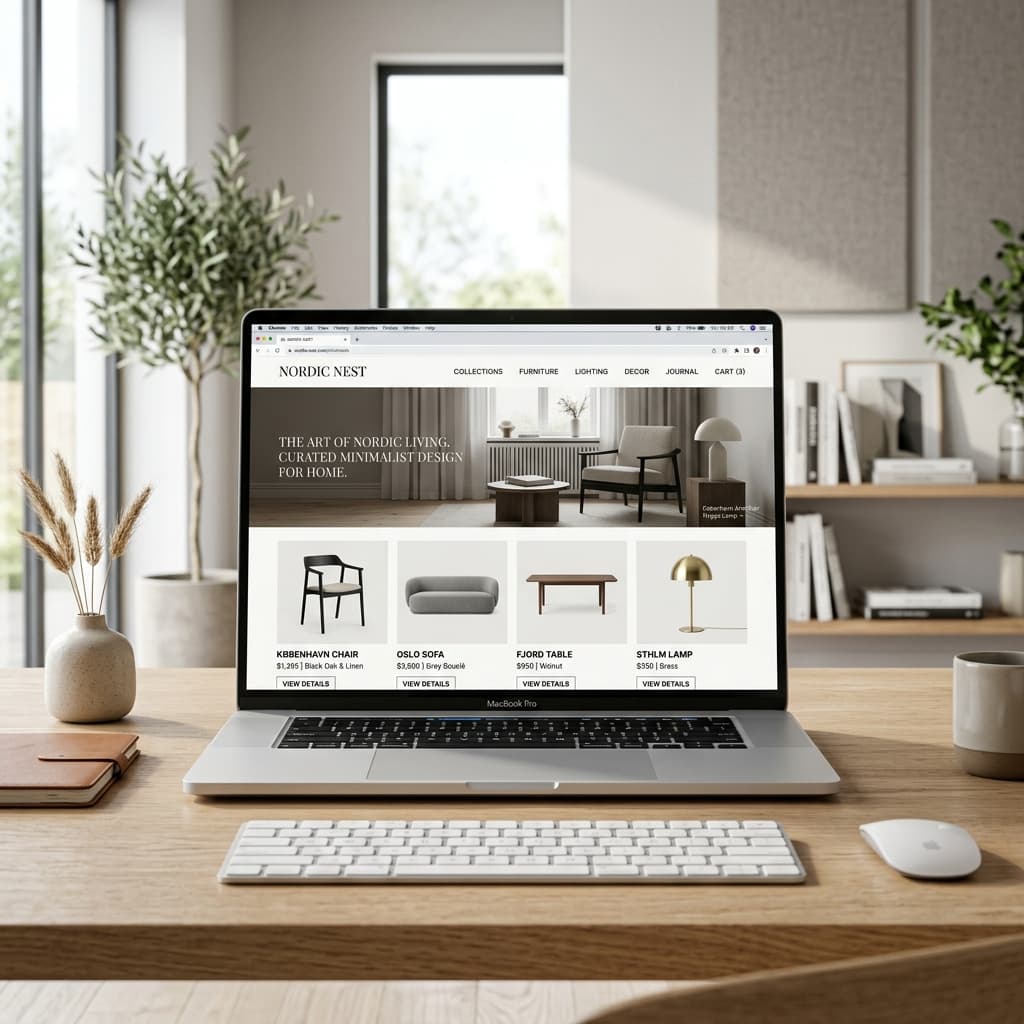
Relax Studio
A luxury Scandinavian furniture e-commerce platform built with Next.js App Router, Tailwind CSS, Stripe, and Lenis smooth inertia scrolling.
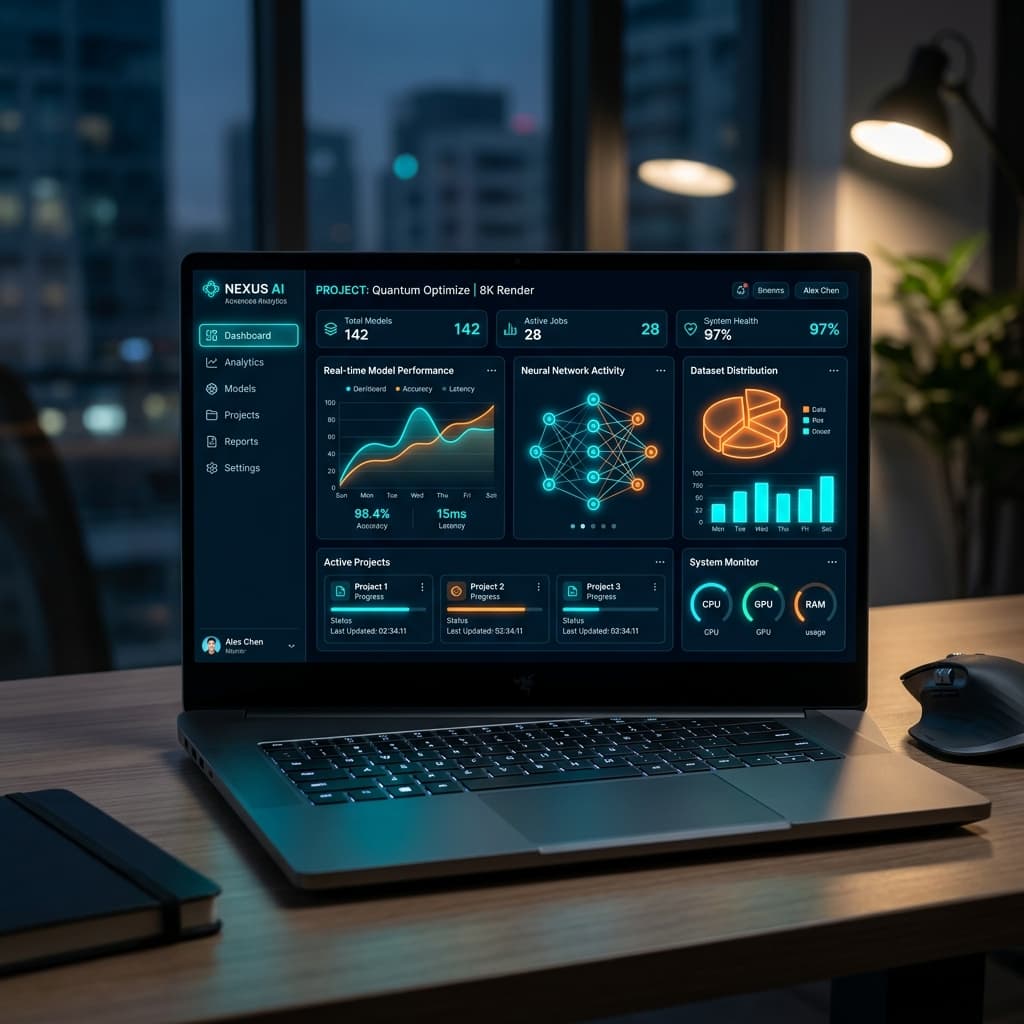
Fusion Labs
Enterprise quantum AI optimization dashboard featuring real-time neural activity charts, GPU hardware telemetry, and automated model deployment workflows.
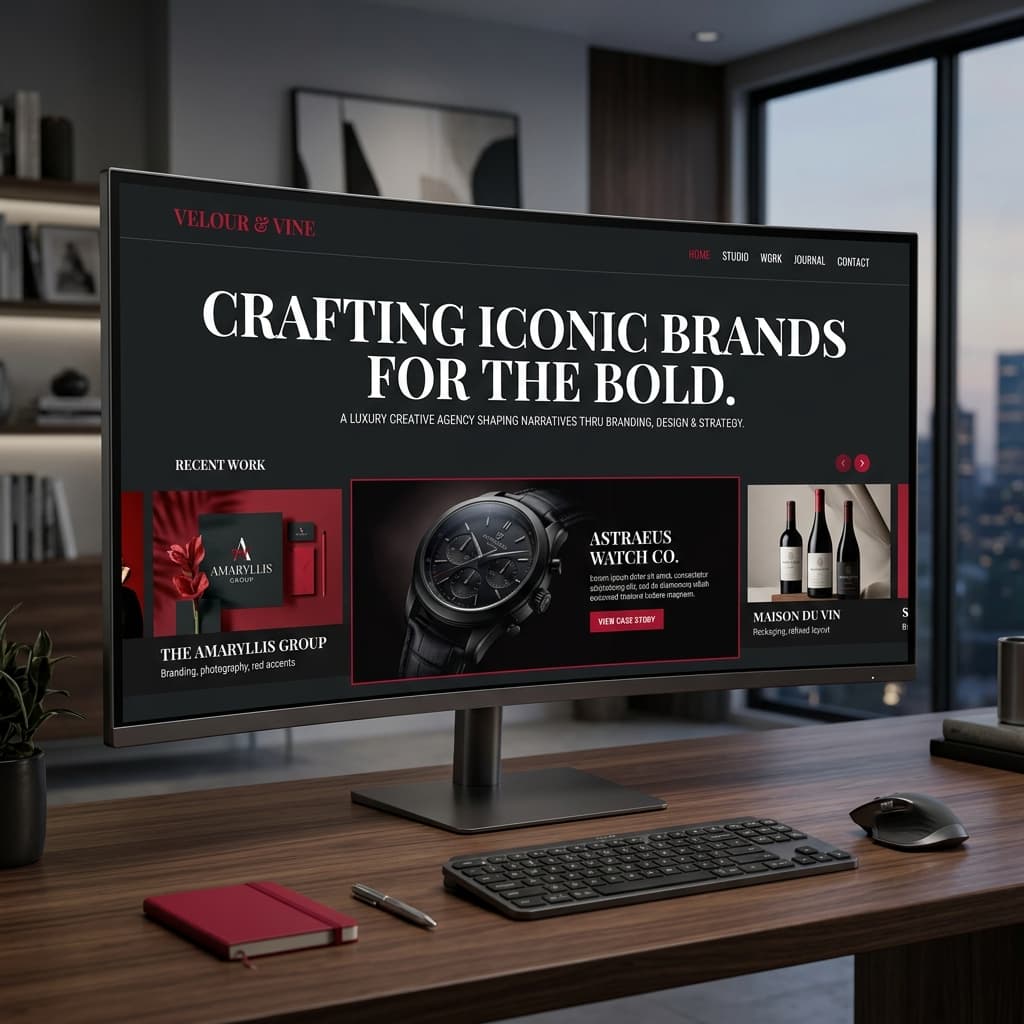
Crimson Canvas
Ultra-luxurious creative agency portfolio and brand identity system featuring high-contrast editorial typography, interactive product showcase, and immersive dark mode.